We inherited a Florist’s garden- here’s how we’re bringing it back to life
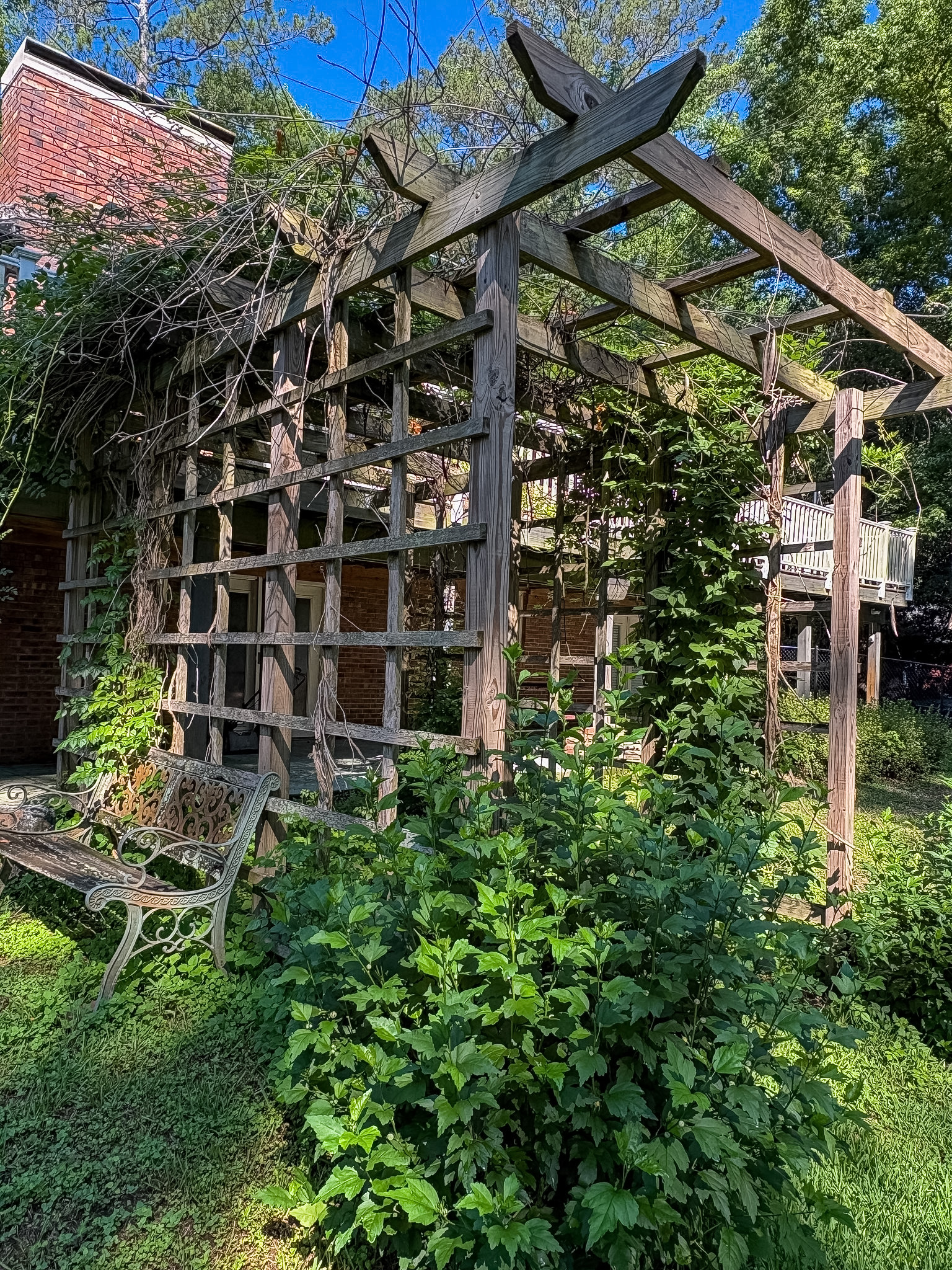
The previous owner of our lake house was a florist. She spent years planting, tending, and loving this property — and then she moved on and left it all behind. By the time we arrived, the garden beds were overgrown, the planters were leggy, and everything was quietly waiting for someone to notice it again.
We noticed.
The problem? I had never gardened a day in my life. Not a window box. Not a houseplant. Nothing. So inheriting what was essentially a professional florist’s outdoor studio felt a little like being handed the keys to a restaurant when you’ve only ever made toast.
But here’s the thing about inherited gardens — they already know what they want to be. Our job was just to listen. And slowly, one pot at a time, we started figuring it out.
This is the honest account of what we did, what we learned, and the tools that actually helped — from someone who genuinely started at zero.
What we found when we arrived
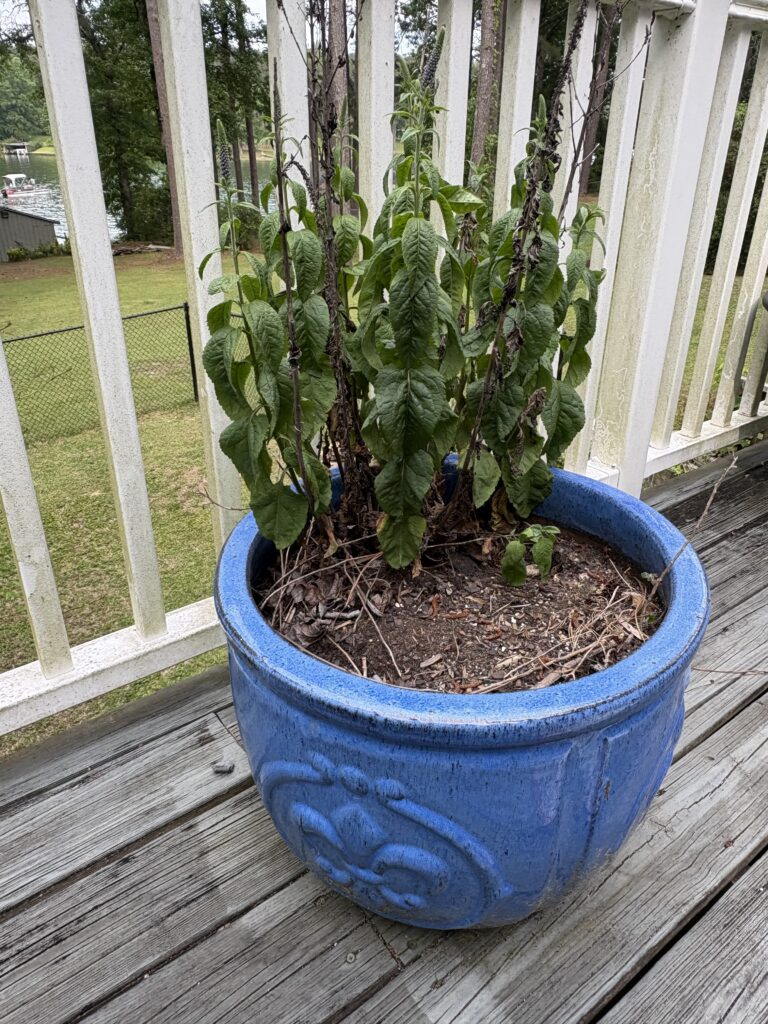
The property came with established garden beds along the brick walls, a collection of beautiful glazed pots on the porch, and what appeared to be years of careful planting beneath layers of overgrowth. There were plants we couldn’t identify, vines climbing where they shouldn’t be, and a blue glazed pot on the deck that contained something woody and struggling.
We also found surprise blooms everywhere. Things the florist had planted that were still coming back year after year — perennials quietly doing their thing with zero help from us. The garden had more life in it than it appeared. It just needed some attention.
Step 1 — Don’t pull anything out yet
This was the single most important piece of advice we found, and we almost ignored it. When you inherit a garden, you have no idea what’s a weed and what’s a dormant perennial waiting to bloom. Our instinct was to clear everything and start fresh. Our second instinct — to wait and see — was the right one.
The rule: Wait one full season before removing anything you can’t identify. You’ll be amazed what comes back.
Step 2 — Get a plant identification app
We used PictureThis and iNaturalist — both free — to photograph and identify almost everything in the garden. This was a revelation. What we thought were weeds turned out to be established ornamentals. What we thought were dead sticks turned out to be perennials that had just finished blooming.
We also picked up a good plant identification guide for our region — worth every penny for cross-referencing what the app tells you.
📚 Plant ID Guide we recommend: Southern Living Garden Book — the definitive guide for Southern gardens, covers almost everything we encountered.
Step 3 — Start with the containers
Containers are forgiving. They’re contained (literally), they’re visible from the porch, and the results are immediate and satisfying. We started with the blue glazed pot that had clearly seen better days — cleared out what was dead, refreshed the soil, and replanted with a pink mandevilla that took off immediately.
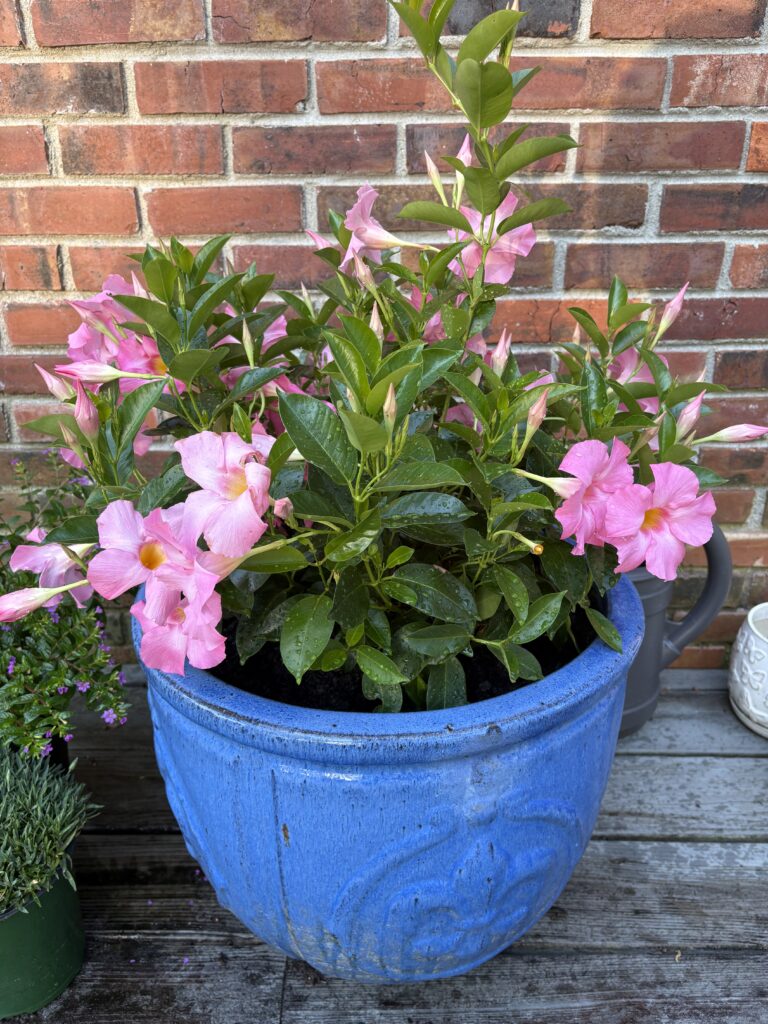
Starting with a visible win — something that transforms quickly and looks beautiful — gave us the confidence to keep going. Don’t underestimate the motivational power of a single blooming pot.
The tools that actually helped
As complete beginners we made the mistake of buying too many tools at once. Here’s what we actually used — and what we wish we’d bought first.
- Garden Kneeling Bench — the single most important purchase. Converts from kneeling pad to seat and saves your knees completely. Non negotiable.
- Pruning Shears — Fiskars makes the best entry-level pair. Sharp, comfortable, and you’ll use them on everything.
- Women’s Gardening Gloves — get ones that actually fit. The giant floppy ones are useless. We like Handyland, Foxgloves or Atlas brand.
- Wide Brim Sun Hat — hours in the garden in Southern summer sun requires a real hat. This is the one we wear every single time.
- Hand Trowel — just one good one. The ergonomic handle matters more than you’d think.
- Organic Pest Spray — inherited gardens often come with inherited pest problems. We use an organic spray so we’re not affecting the pollinators.
What we learned
- Perennials come back. Every year. Without you doing anything. This is the most delightful discovery in gardening.
- Overgrown doesn’t mean dead. Leggy, woody and tired-looking plants often just need a hard prune to come back stronger.
- Soil matters more than anything. If your plants aren’t thriving, start with the soil before blaming the plant.
- Slow down. The garden always has more to show you if you stop rushing to fix everything at once.
- The plants the florist chose were chosen for a reason. Trust her taste — it’s still working.
“Old brick, new blooms, and a garden that already knows what it wants to be.”
What’s next
We’re still in the middle of this project — probably always will be, which is sort of the point. Coming up on the blog: our full fairy garden build (the most whimsical thing on the porch and completely unplanned), our beginner tools round-up with honest reviews, and what we’re doing with the brick wall garden beds that line the side of the house.
If you’re in the same situation — staring at someone else’s garden and not knowing where to start — the answer is: start with one pot. Just one. And see what happens. 🌿
This post contains affiliate links. If you purchase through our links we may earn a small commission at no extra cost to you. We only recommend products we genuinely use and love — see our full affiliate disclosure here.